Ayurvedic Treatment for Paralysis – Natural Support for Recovery

Paralysis is a condition marked by loss of muscle movement, strength, or sensation due to nerve or brain involvement. Ayurveda approaches paralysis treatment by restoring nerve function, balancing Vata dosha, and improving circulation and strength gradually. At Herbal Hills Center, we provide personalized Ayurvedic treatment for paralysis focused on functional recovery and long-term support.

What Are the Main Causes of Paralysis?

Paralysis can occur due to various neurological and systemic factors. Common causes include:

  • Severe Vata dosha imbalance
  • Stroke or cerebrovascular disorders
  • Nerve damage or compression
  • Head or spinal cord injury
  • Facial nerve inflammation (facial palsy)
  • Chronic uncontrolled diabetes or hypertension
  • Poor circulation and tissue nourishment
  • Long-term stress and weak nervous system

Ayurveda treats paralysis by addressing these root imbalances holistically.

Signs and Symptoms of Paralysis

Symptoms of paralysis vary depending on the affected area and severity. Common signs include:

  • Loss of movement on one side or part of the body
  • Muscle weakness or stiffness
  • Reduced sensation or numbness
  • Facial drooping (in facial palsy)
  • Difficulty speaking or swallowing
  • Poor coordination or balance
  • Muscle wasting over time
  • Pain or heaviness in affected limbs

Early Ayurvedic intervention helps support nerve regeneration and mobility.

How Ayurveda Treats Paralysis Naturally

Ayurvedic treatment for paralysis focuses on:

Pacifying aggravated Vata dosha
Nourishing nerves and muscle tissues
Improving blood circulation and nerve signals
Restoring strength and flexibility gradually
Supporting mental and emotional stability
Preventing complications and muscle degeneration

Treatment is progressive, supportive, and aimed at functional improvement.

Ayurvedic Treatments Used for Paralysis Management

At Herbal Hills Center, the following Ayurvedic therapies are commonly used for paralysis care:

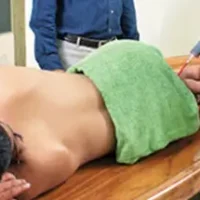
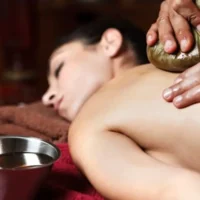
Sarvanga Abhyanga – Full-body oil massage for Vata balance
Sthanik Abhyanga – Localized massage for affected areas
Nadi Swedan – Steam therapy to reduce stiffness and improve circulation
Basti Therapy – Key Panchakarma treatment for Vata disorders
Shirodhara – Nervous system calming therapy
Pizhichil – Oil bath therapy for muscle nourishment
Physiotherapy support and lifestyle guidance

Therapies are selected based on paralysis type, stage, and patient condition.

Paralysis Treatment Procedure at Herbal Hills Center

Treatment begins with a detailed Ayurvedic consultation to assess paralysis type, duration, nerve involvement, strength, mobility, and associated conditions. Based on this evaluation, a customized treatment plan is prepared. Therapies are administered under expert supervision with continuous monitoring and supportive rehabilitation guidance.


Treatment Used - Paralysis

Sarvanga Abhyanga

Nadi Swedan

Anuvasana Basti

Niruha Basti

Navarakizhi

Elakizhi

Pizhichill

Ksheera Dhooman

FAQs

1. Is Ayurvedic treatment effective for paralysis?
Ans – Ayurvedic treatment supports paralysis recovery by nourishing nerves, balancing Vata dosha, and improving circulation under medical supervision.

2. Can Ayurveda help in facial palsy?
Ans – Recovery time varies based on severity, duration, and individual response. Treatment usually requires consistent therapy over weeks or months.

3. How long does Ayurvedic paralysis treatment take?
Ans – Recovery time varies based on severity, duration, and individual response. Treatment usually requires consistent therapy over weeks or months.

4. Is Panchakarma necessary for paralysis treatment?
Ans – Basti and other Panchakarma therapies are often recommended, as paralysis is primarily a Vata disorder, but only after evaluation.

5. Who should avoid Ayurvedic paralysis therapies?
Ans – Patients with acute stroke, severe infection, or unstable medical conditions should seek immediate medical care before starting therapy.